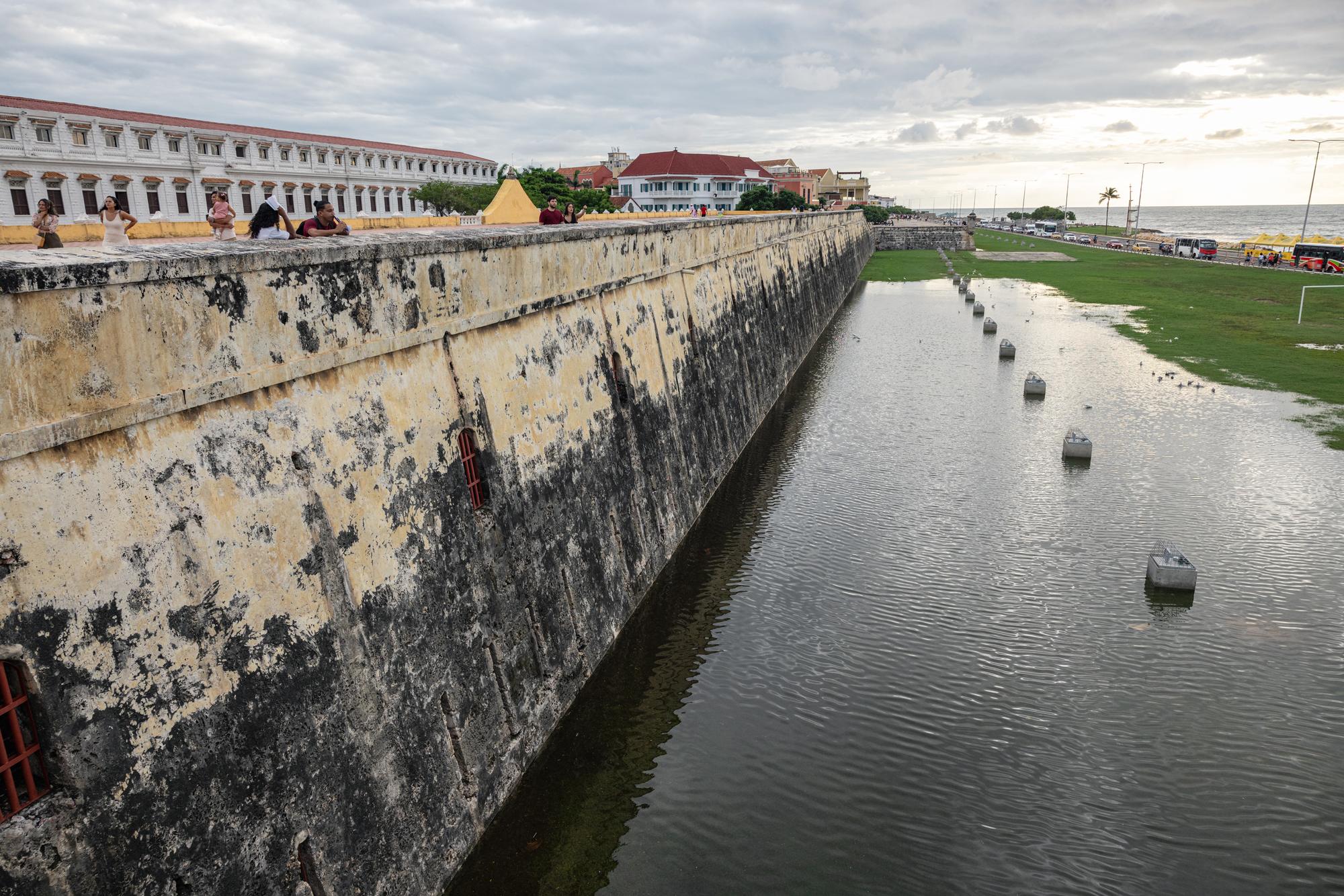

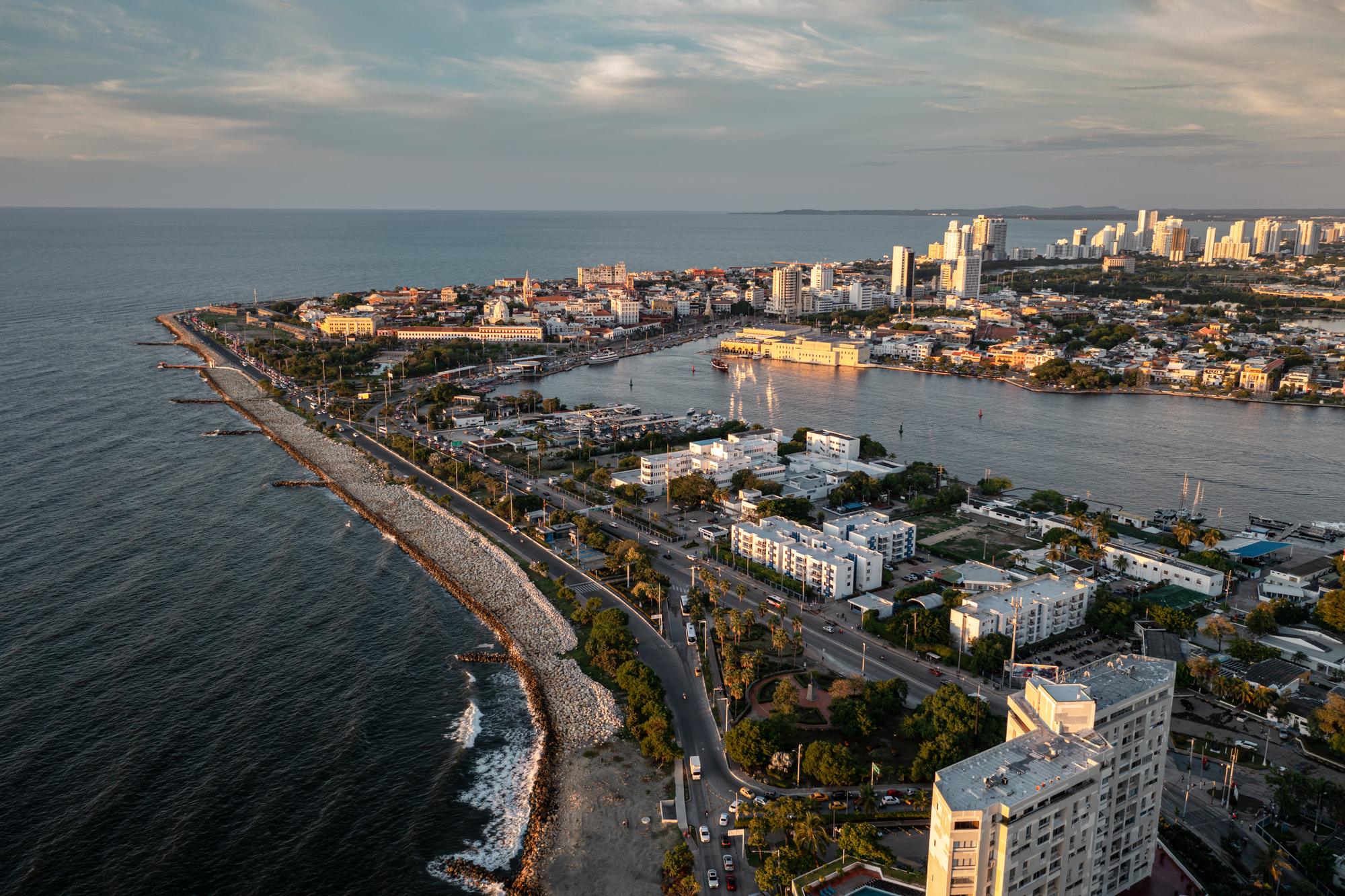
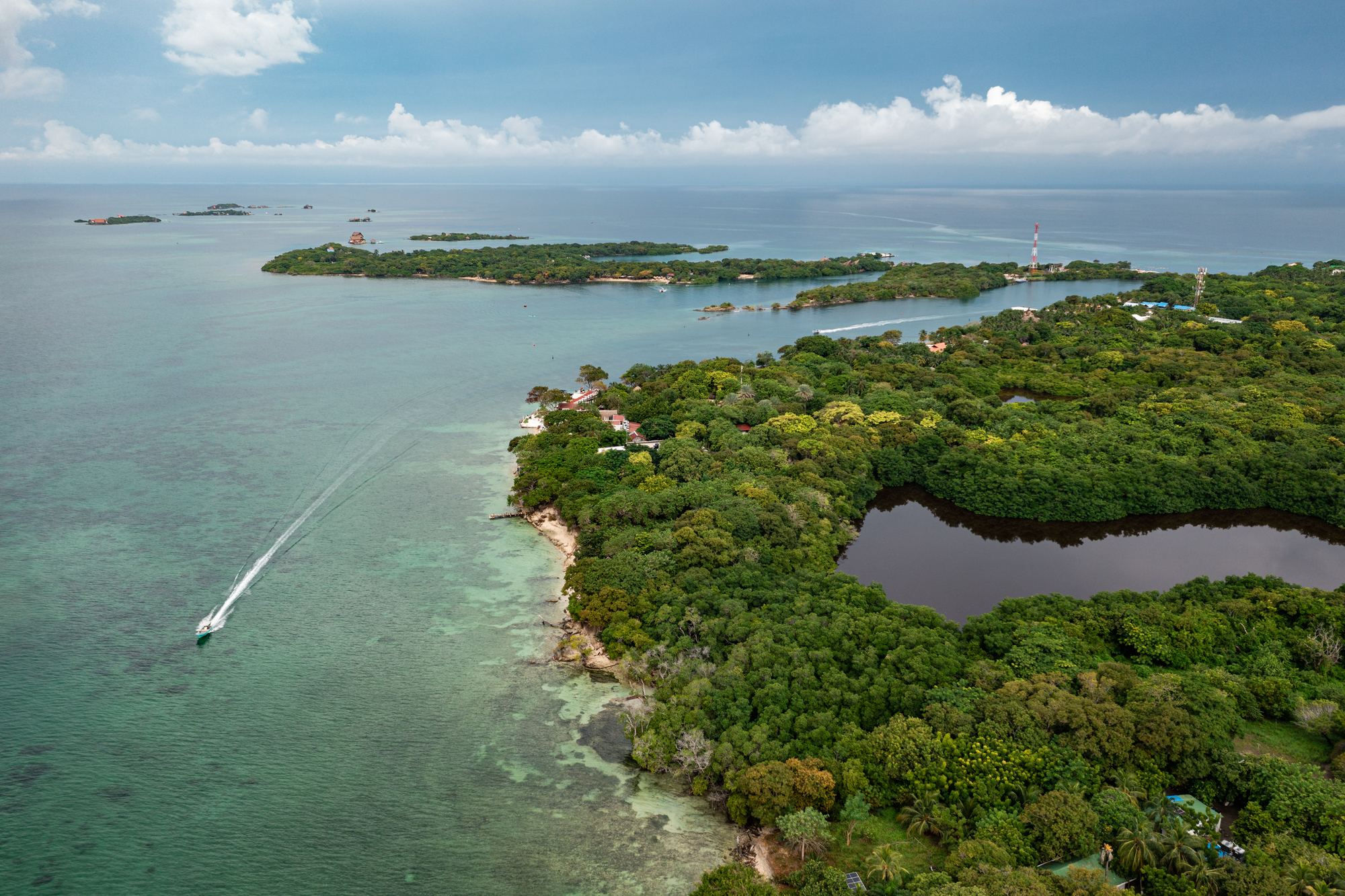
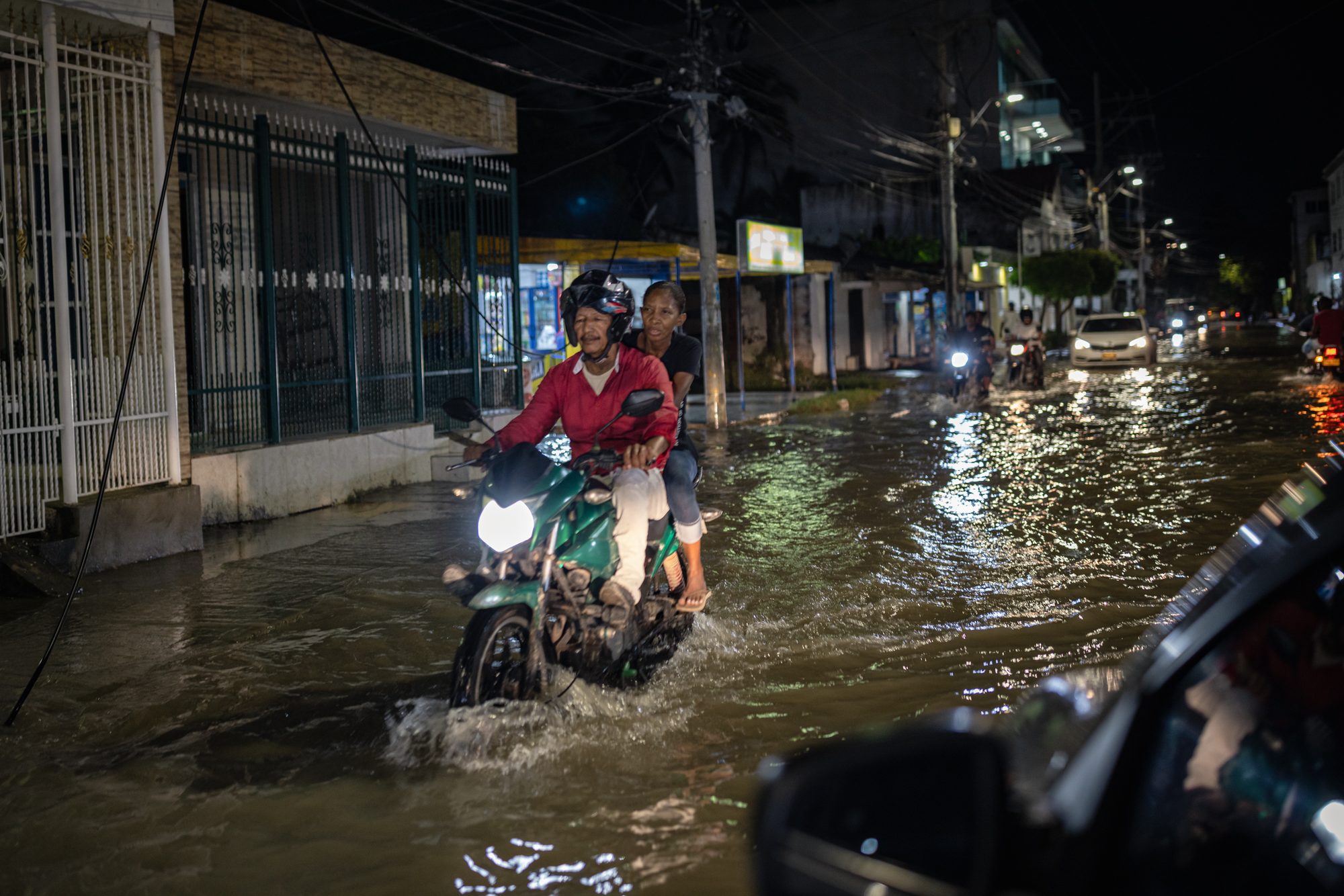
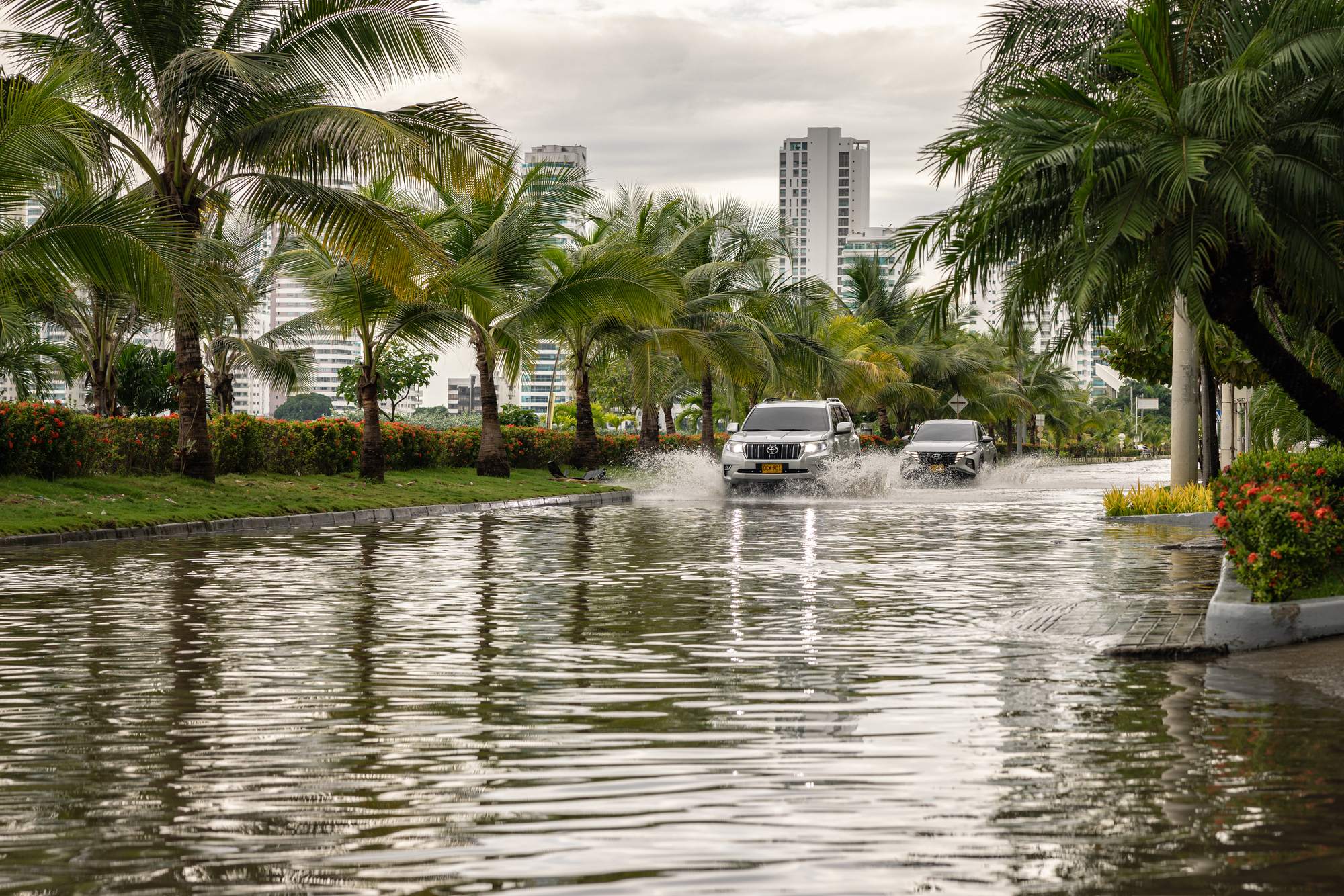
The port, fortresses and group of monuments in Cartagena de India represent some of the most extreme examples of fortifications in South America from the 16th, 17th and 18th centuries. Situated on the northern coast of Columbia on the Caribbean Sea, Cartagena has played a central role in global history as a trading centre and a key site in the European power struggle for control in the ‘New World’. Aside from the impressive fortifications, the site also contains palaces and grand residences organised into three historic neighbourhoods. It remains a living city with a vibrant population who live and work in the historic city. Rising sea levels and other climatic phenomena are irreparably affecting not only the heritage sites but also the intangible cultural traditions of the communities that inhabit the territory.
See the place
Watch the action

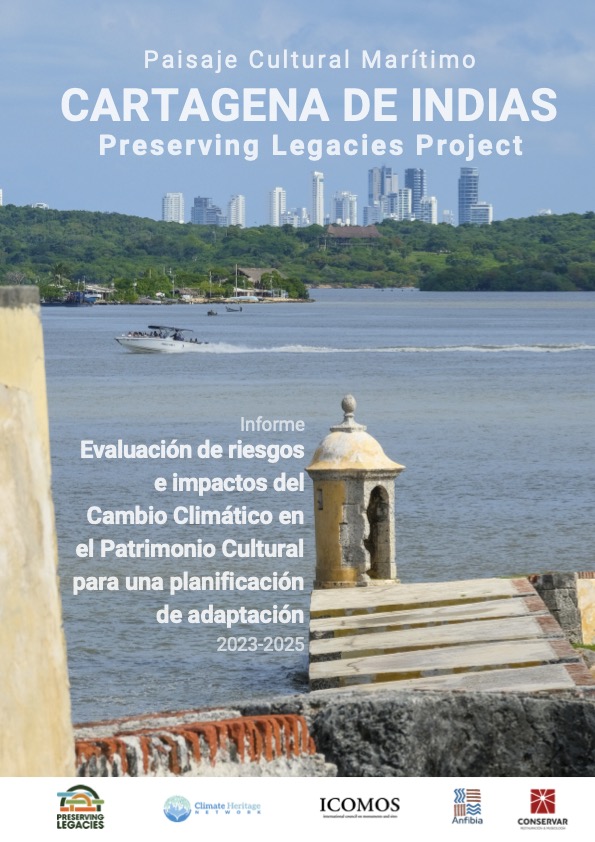
Evaluación de riesgos e impactos del cambio climático en el patrimonio cultural para una planificación de adaptación - paisaje cultural marítimo de Cartagena de Indias, Colombia
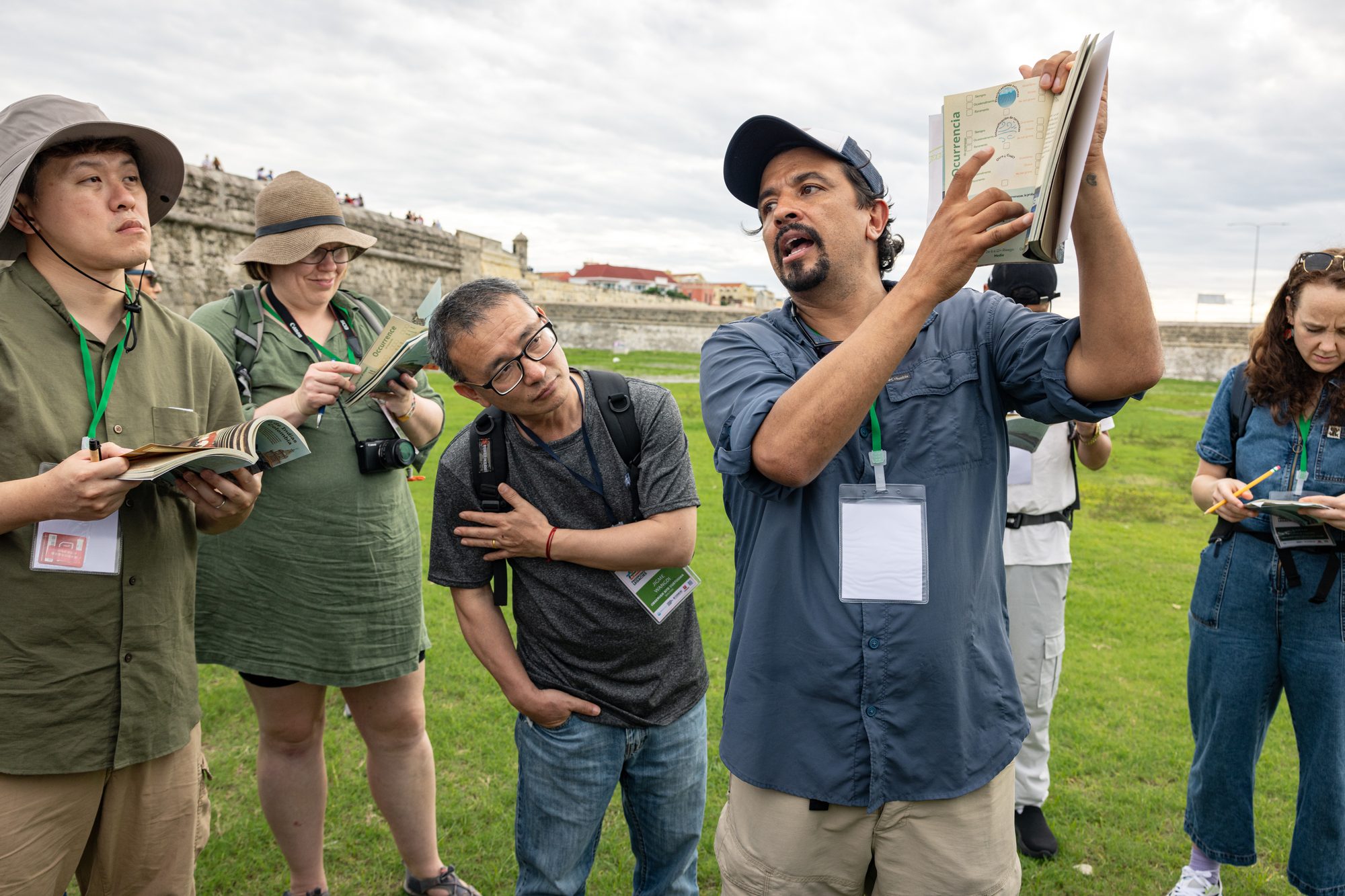
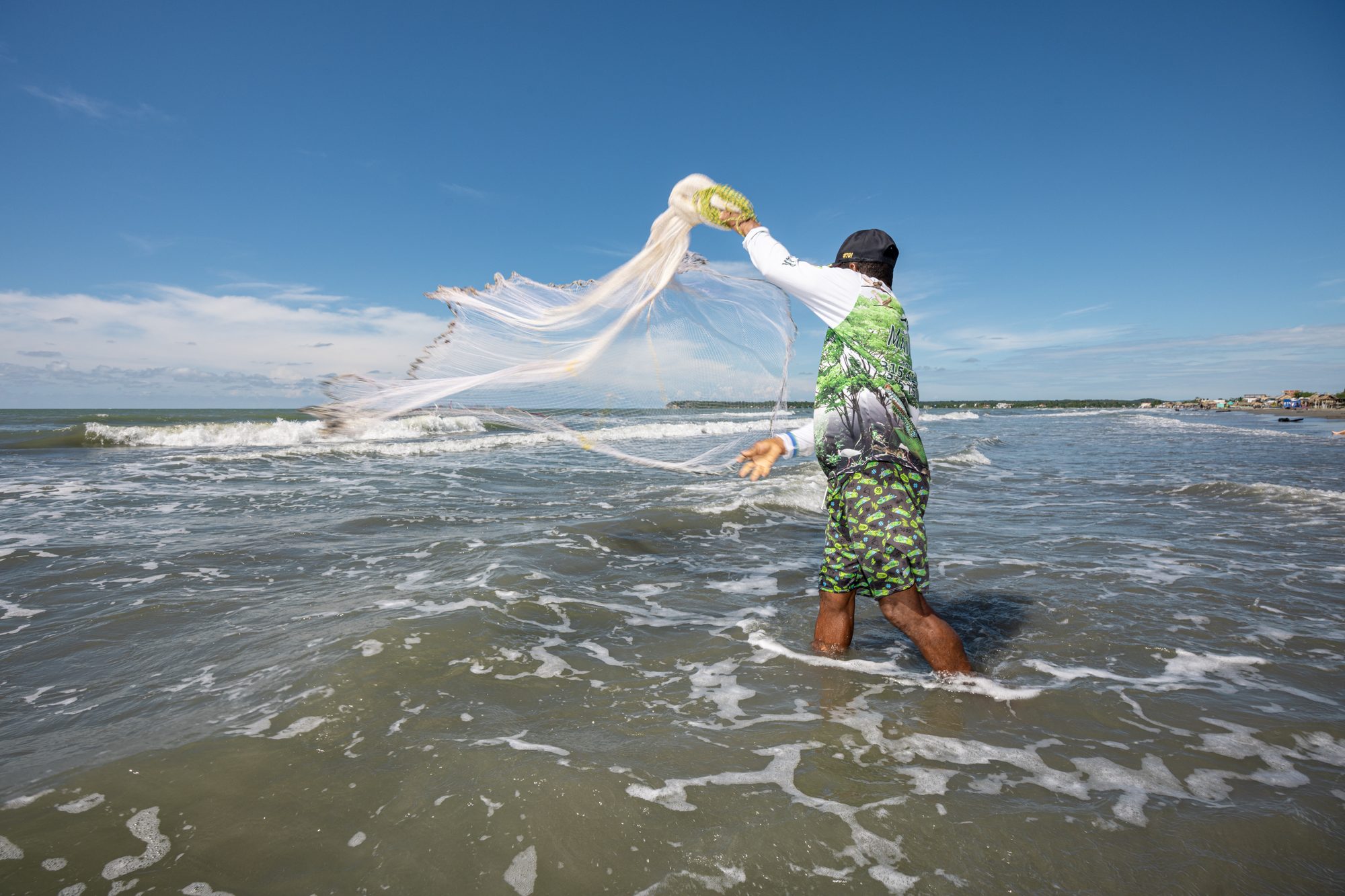
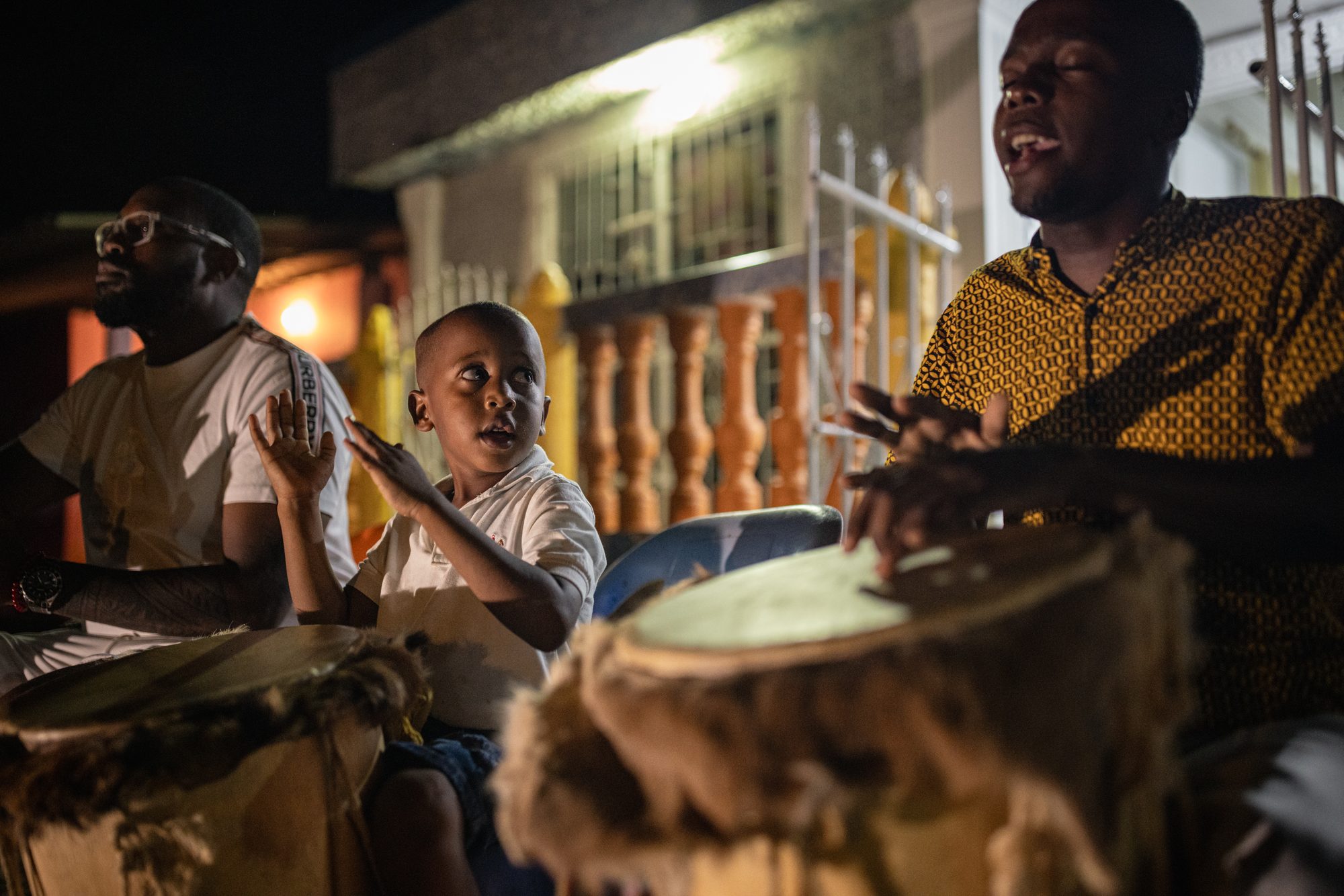
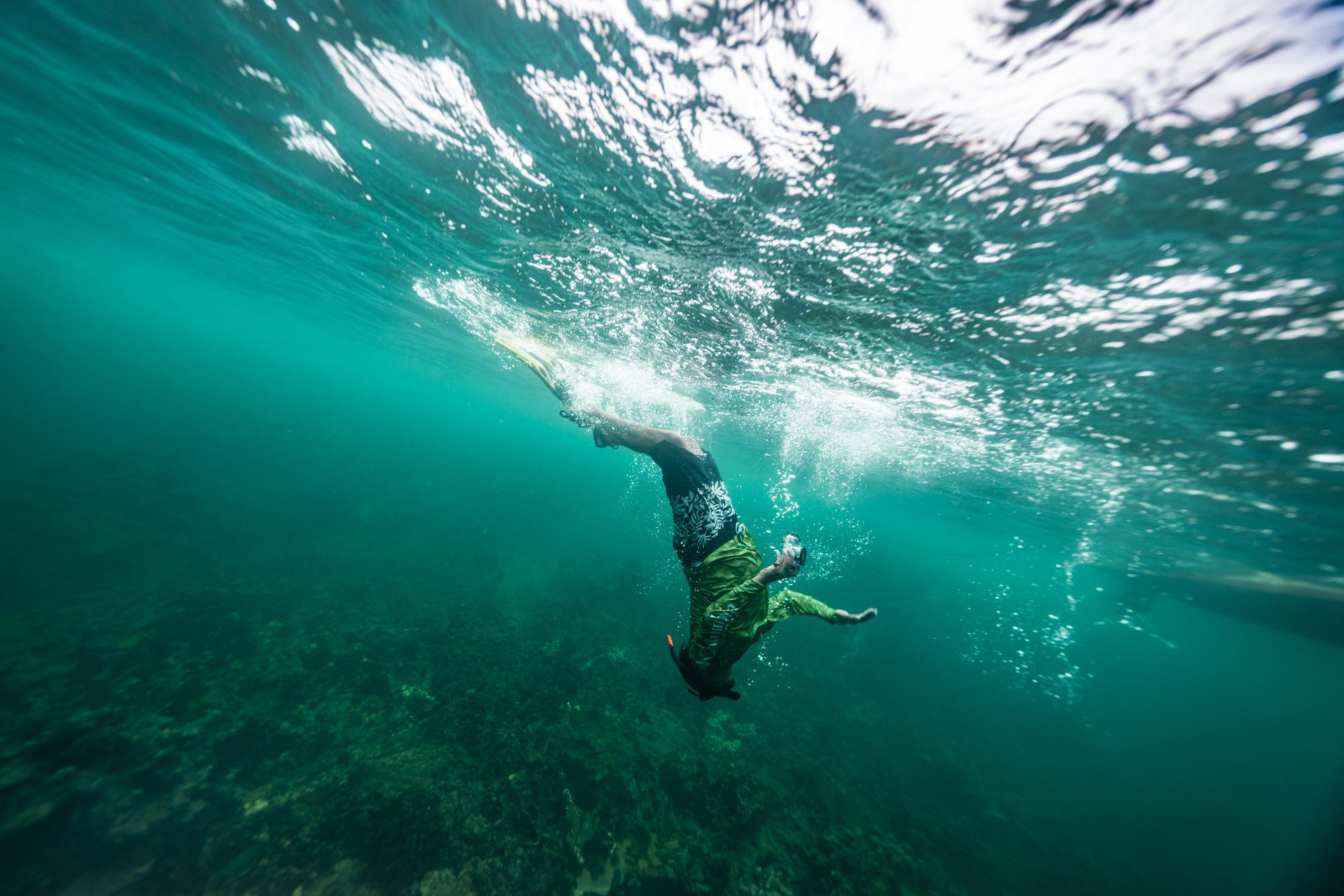
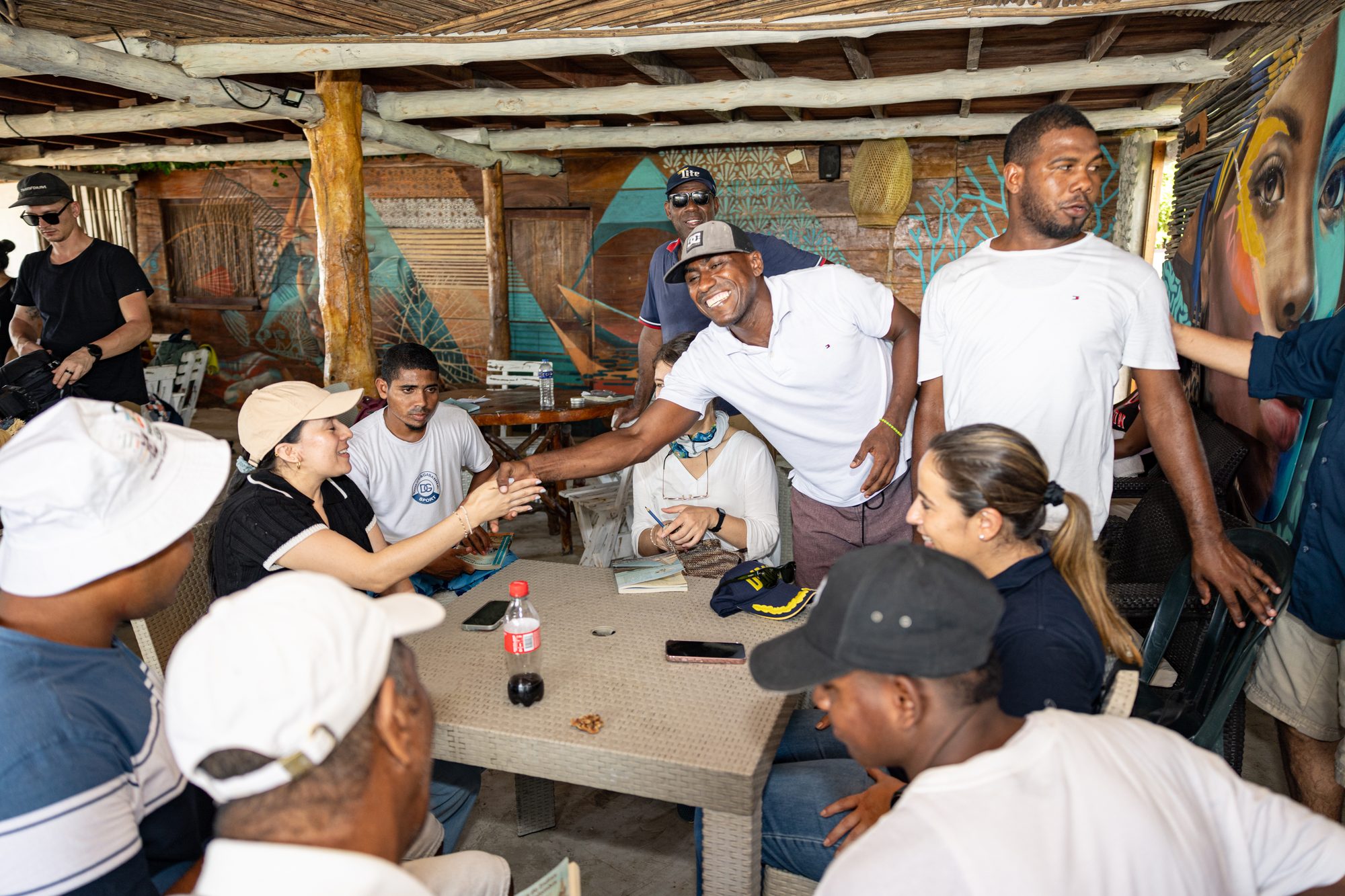
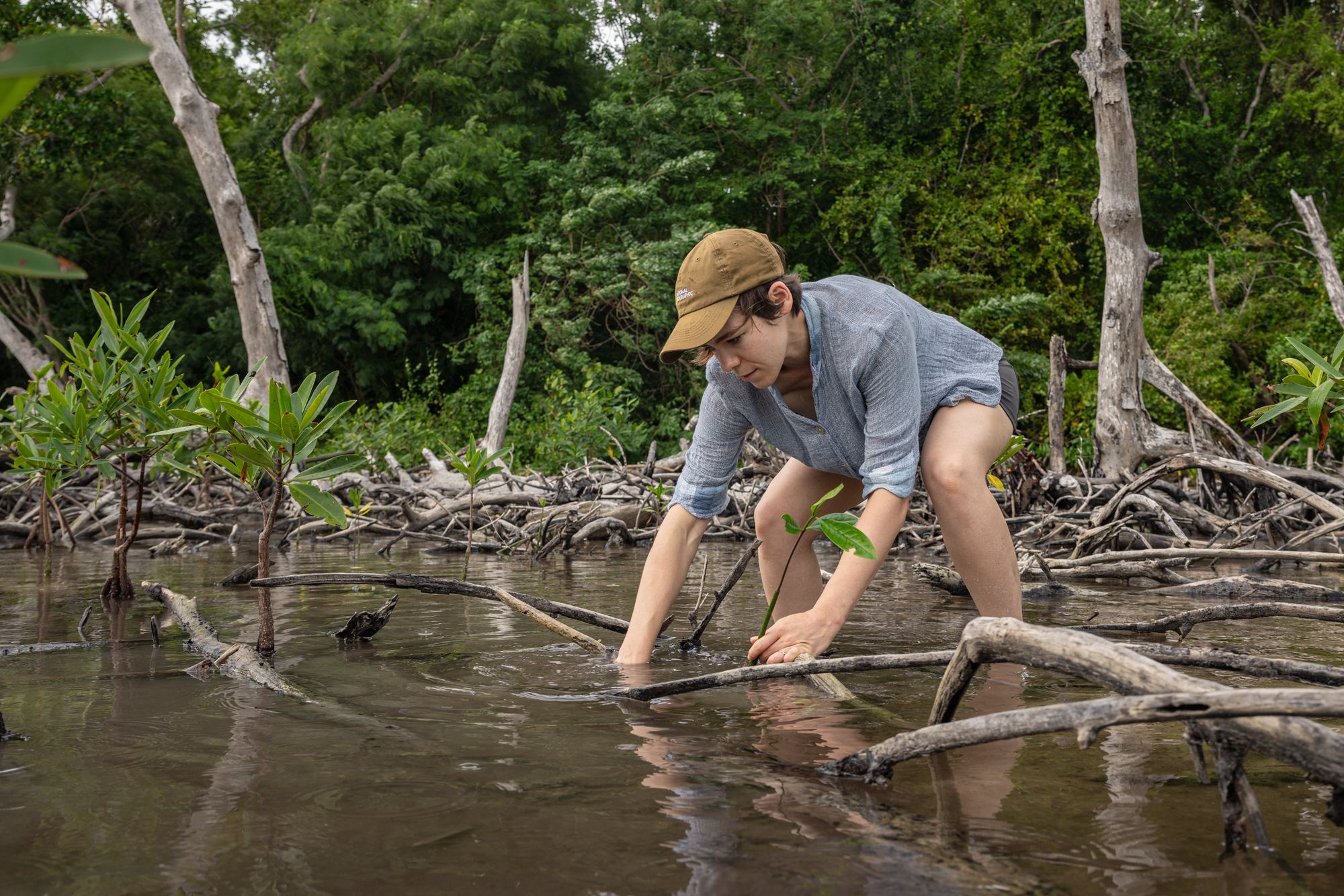
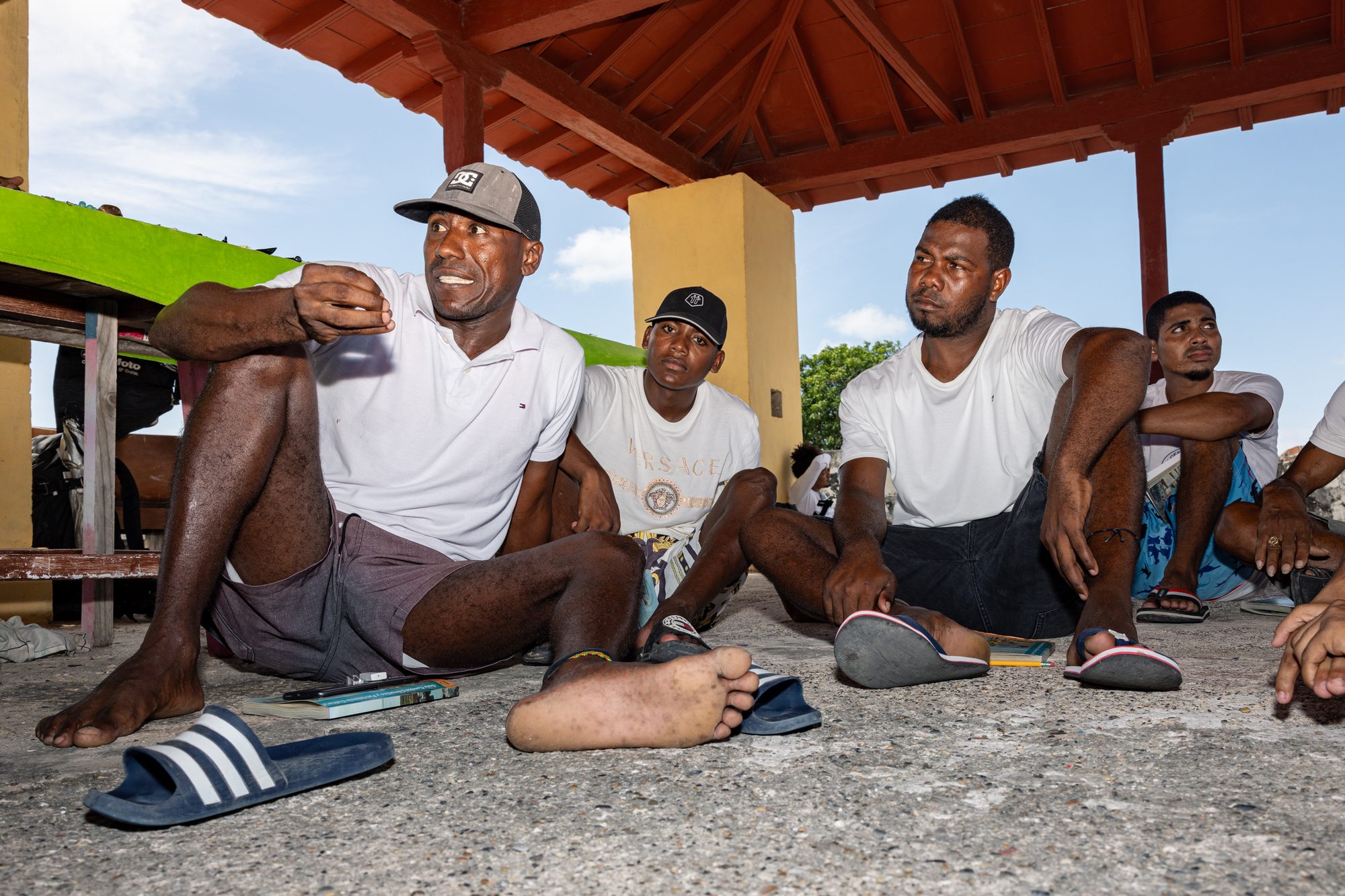
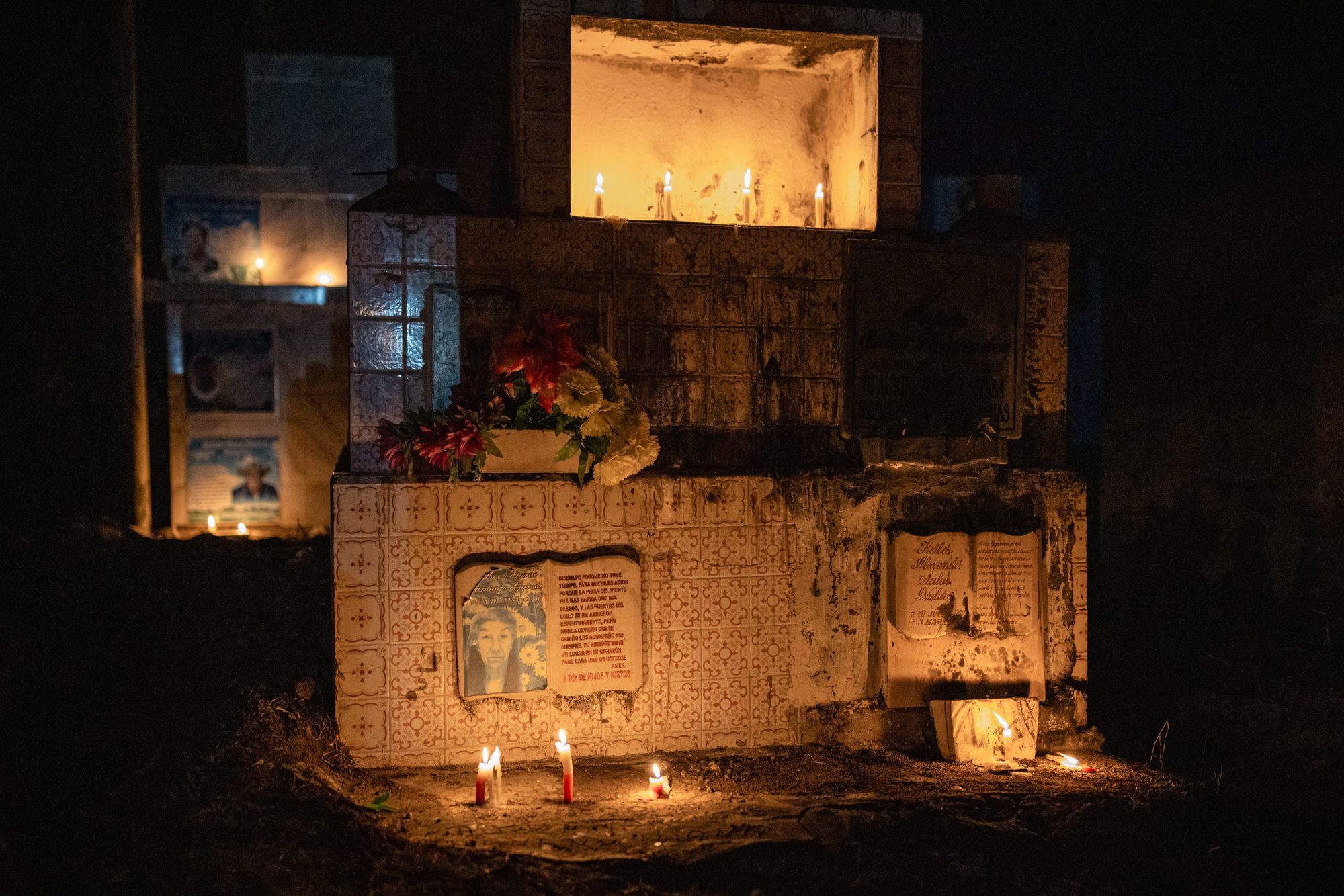
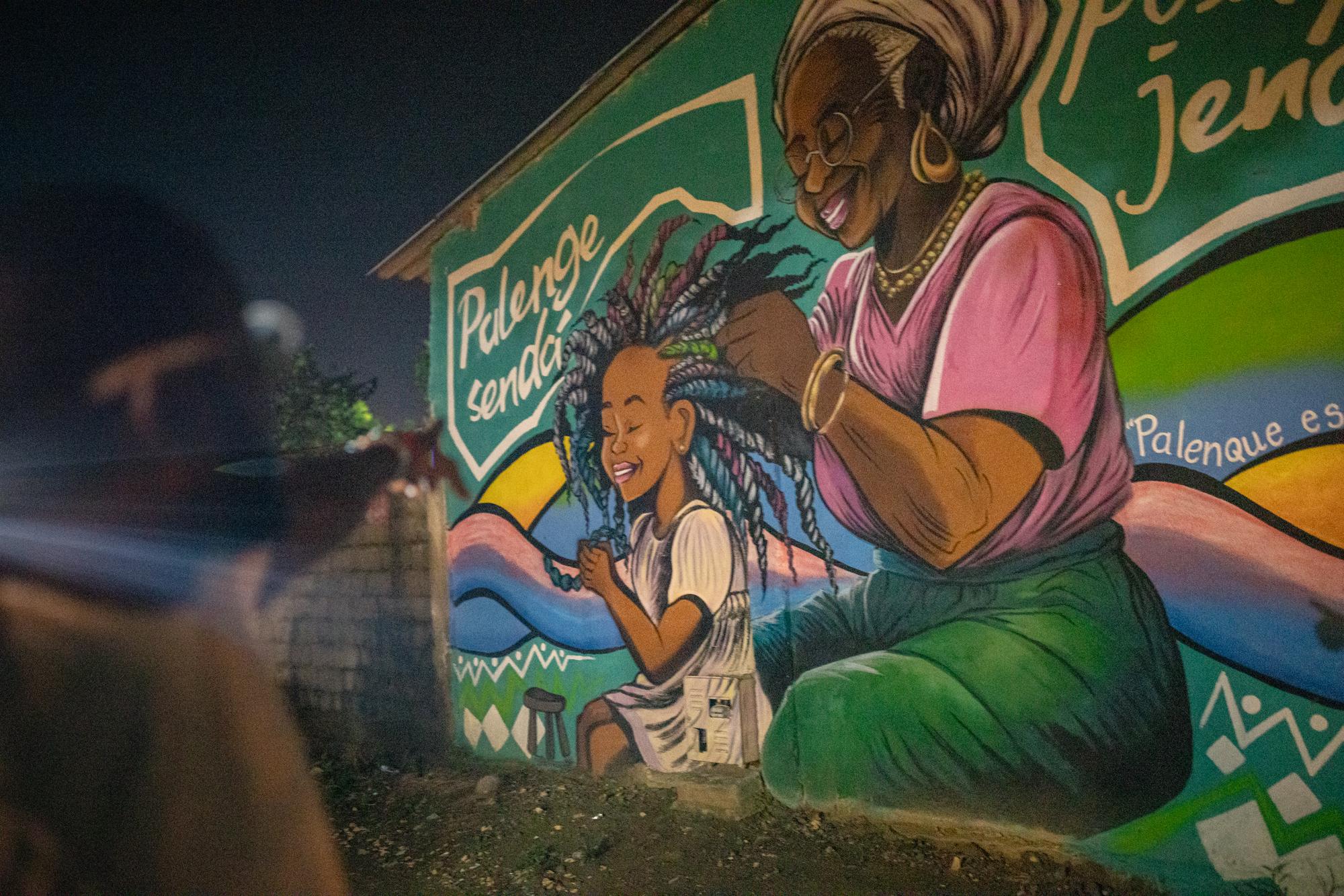
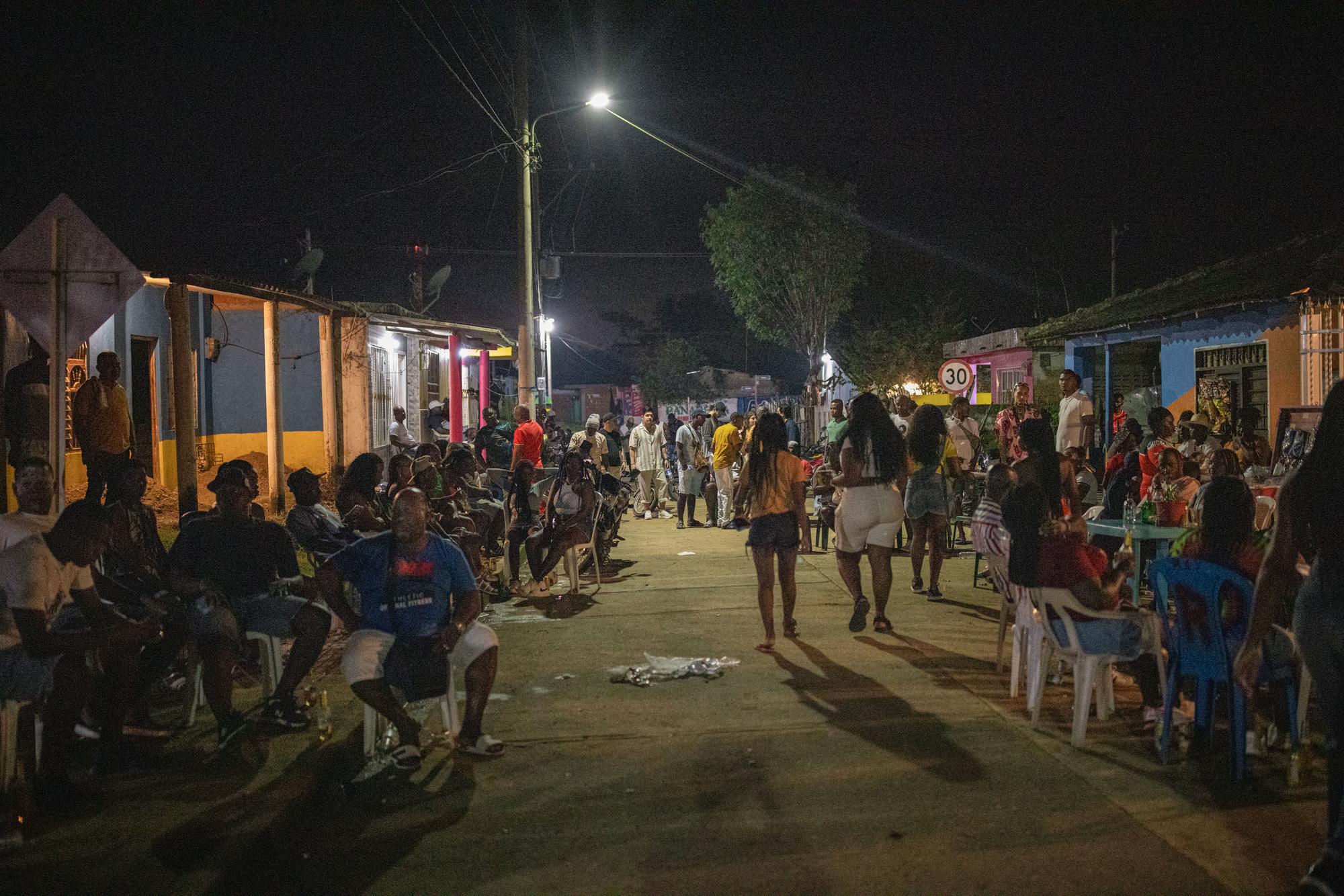
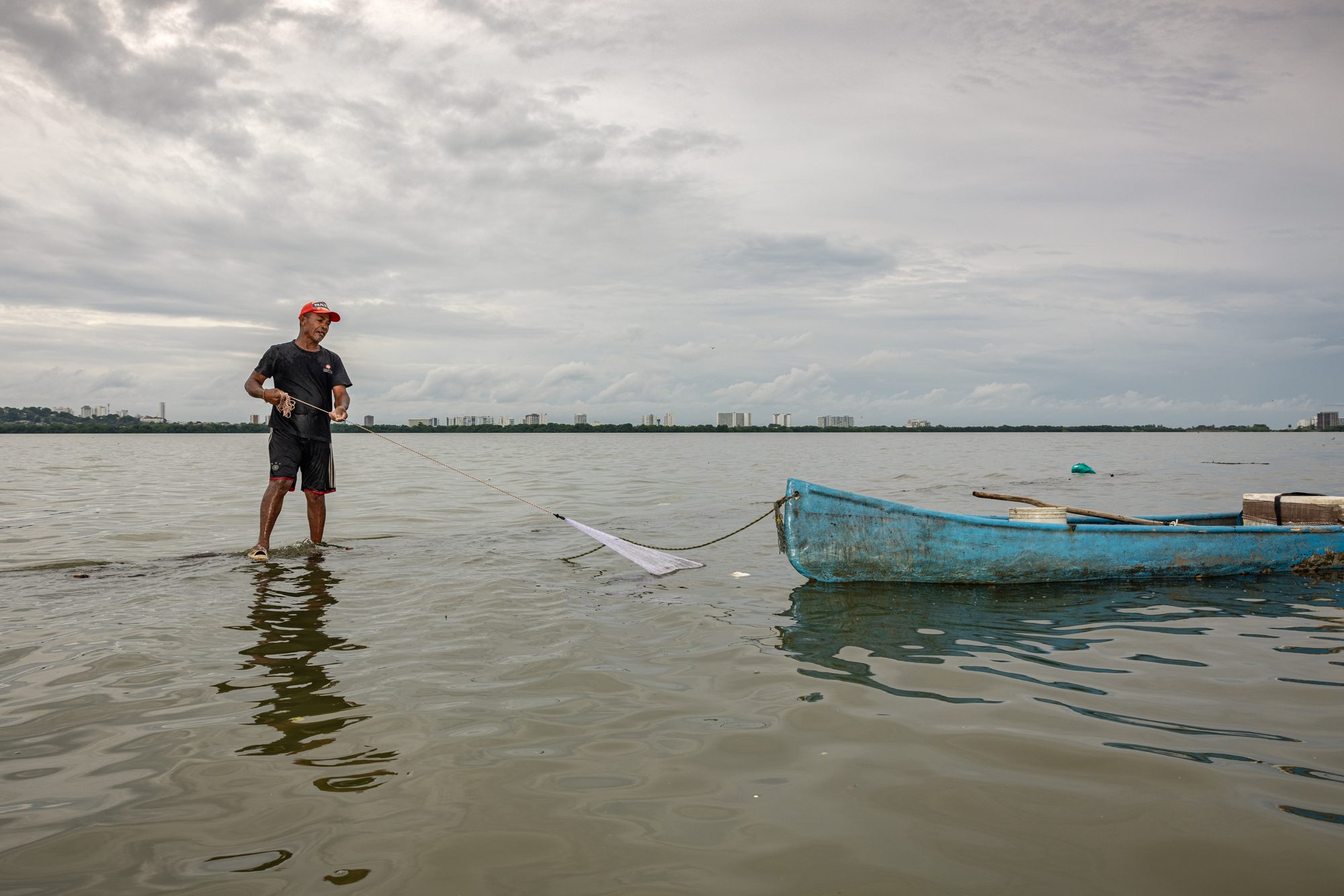
This locally led climate risk and adaptation assessment for the Maritime Cultural Landscape of Cartagena de Indias extended the geography of heritage at risk beyond its fortified World Heritage core to include community-valued places and practices, such as beaches, mangroves, coral reefs, underwater cultural heritage, maritime cultures and livelihoods, and Afro-descendant and Indigenous relationships with the sea. It found a maritime cultural landscape already under considerable climate risk with all but two of the 24 sites assessed experiencing medium or high impacts. Heat waves, extreme rainfall, storm intensification, coastal flooding, and coastal erosion emerged as principal hazards, interacting differently with the exposure and vulnerability of each place. Bringing locally held values into the assessment alongside Outstanding Universal Value widened the evidence base and confronted an enduring inequality: who has the authority to define what matters, whose knowledge informs climate decisions, and which heritage receives protection first.

-880.jpg)

%20.png)


.jpg)