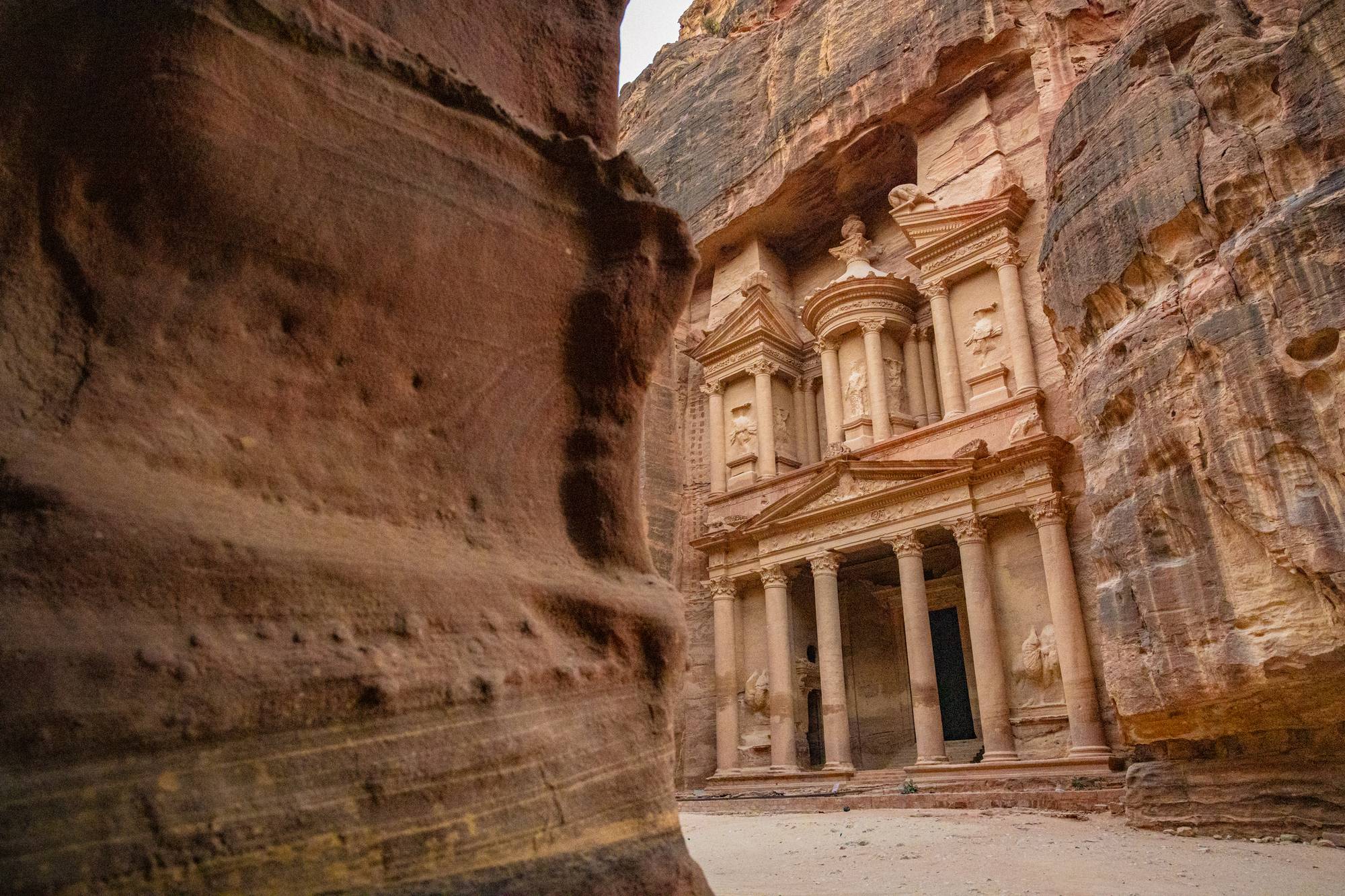

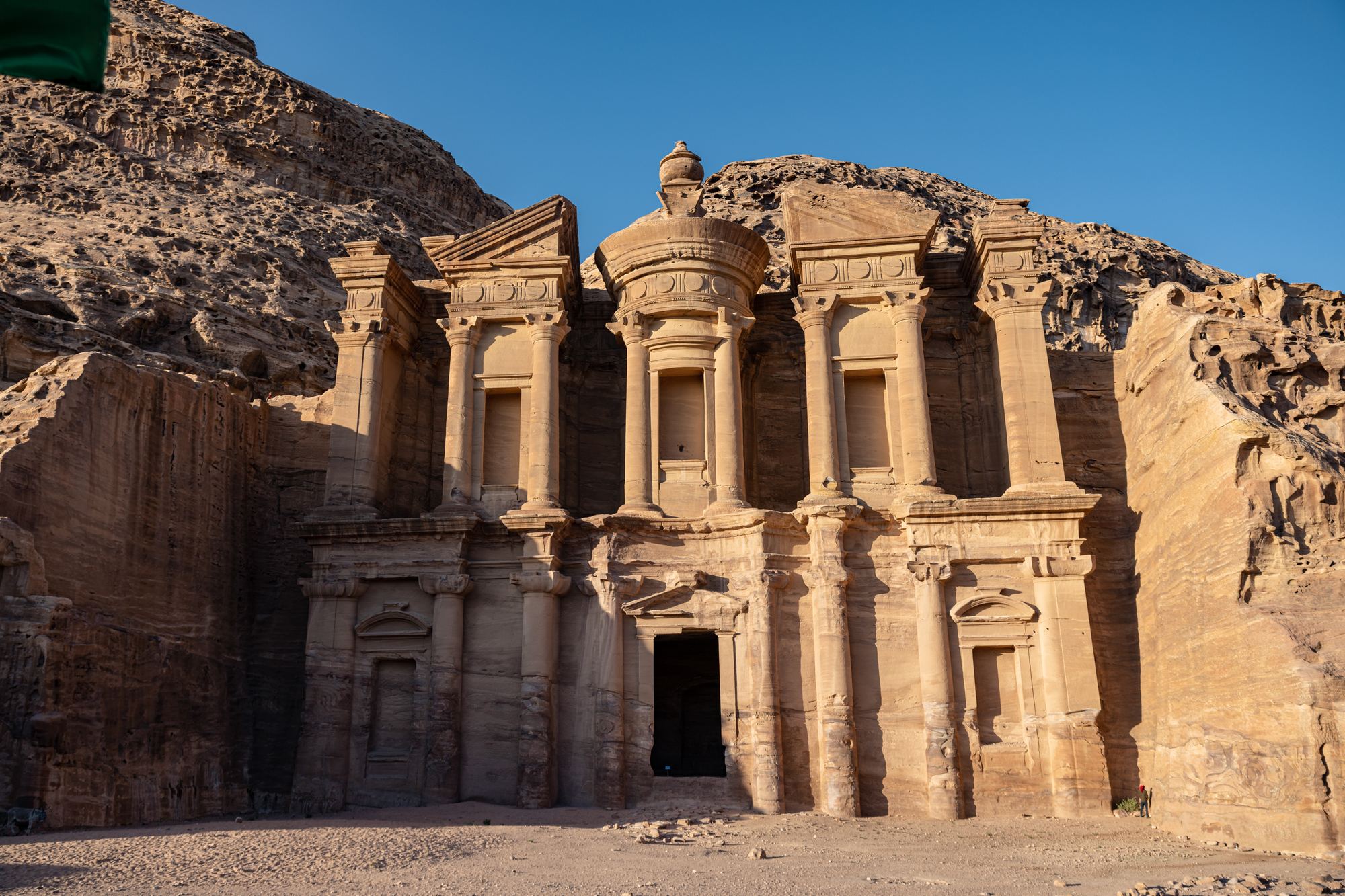
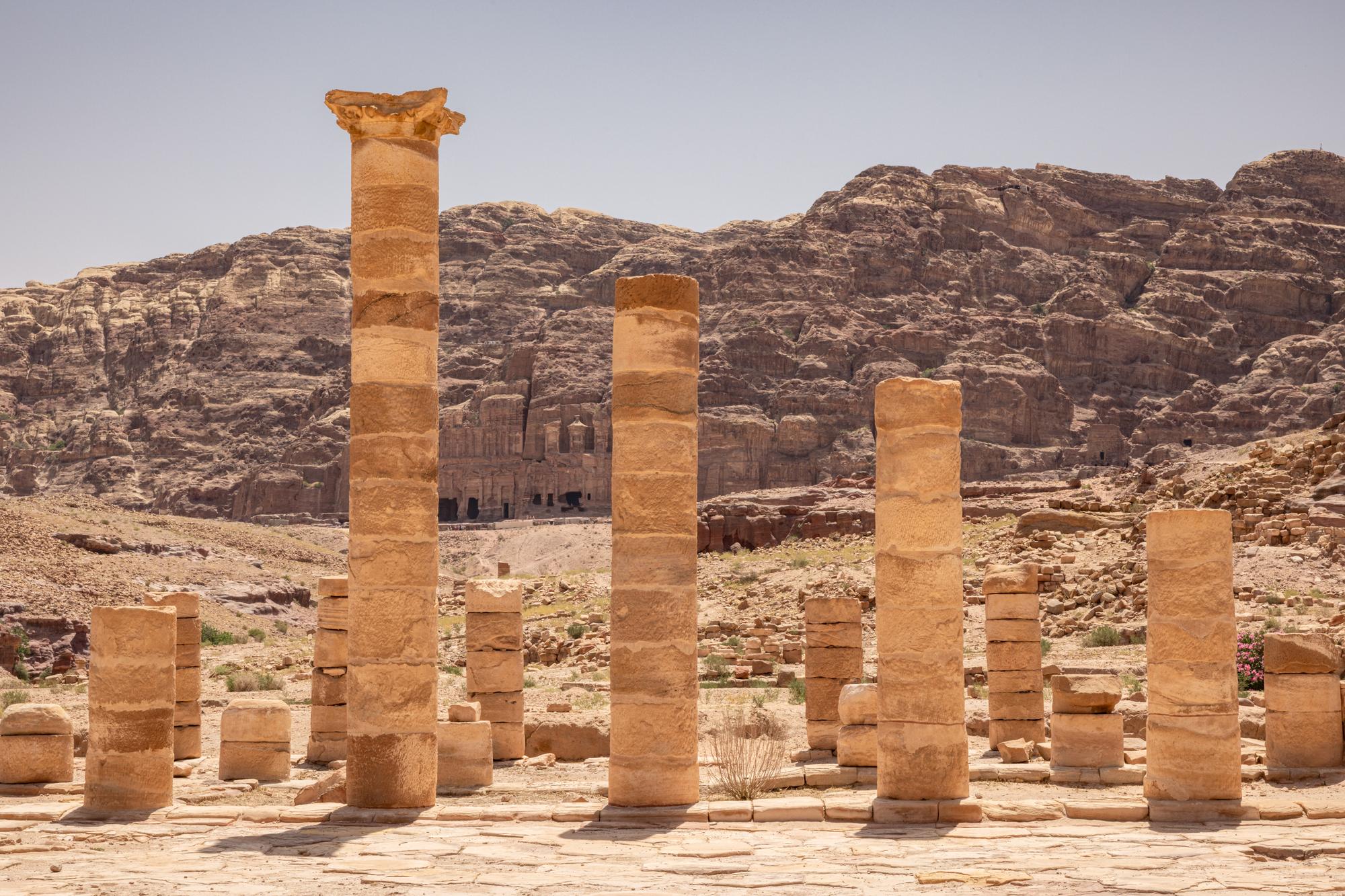
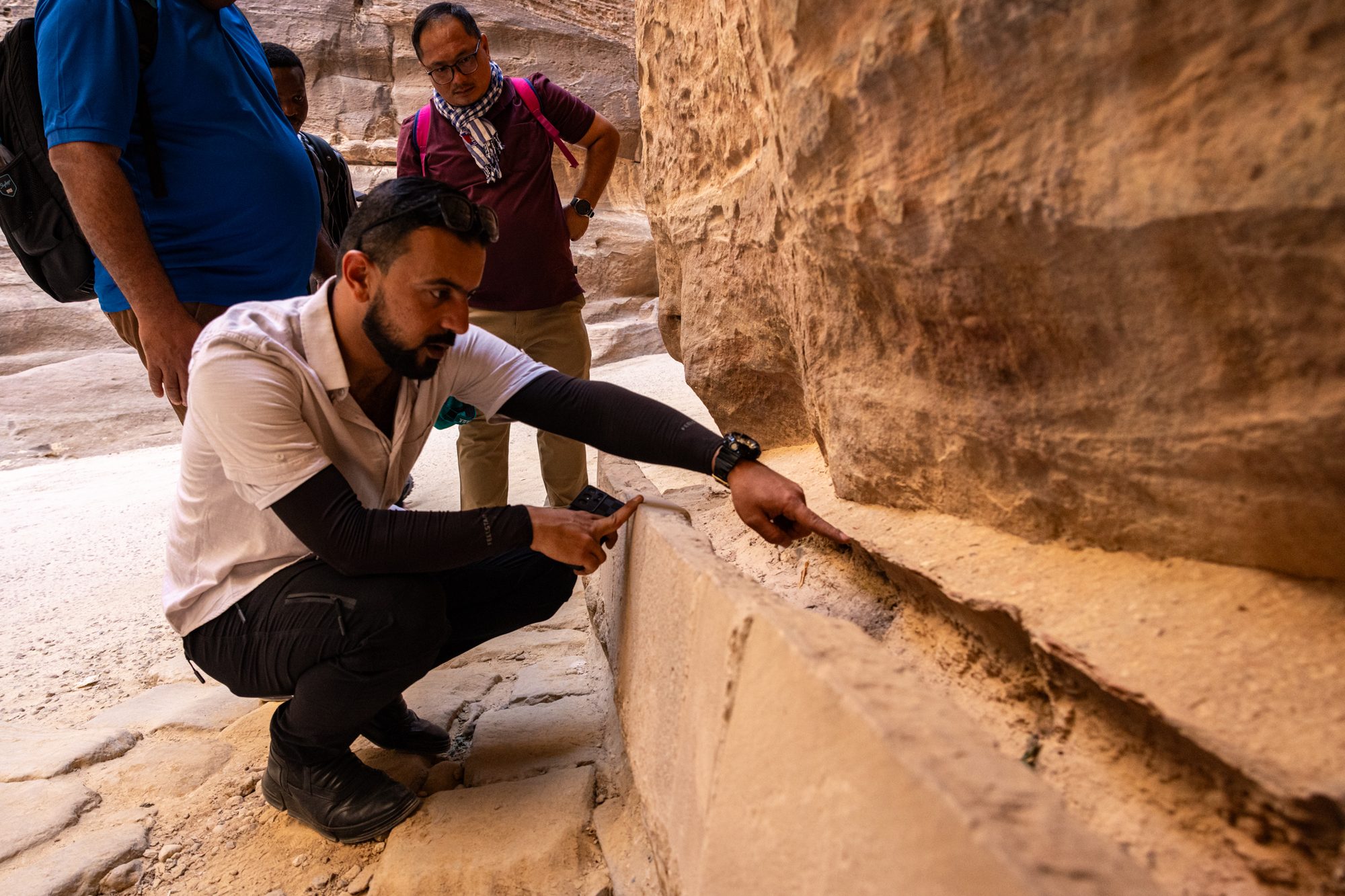
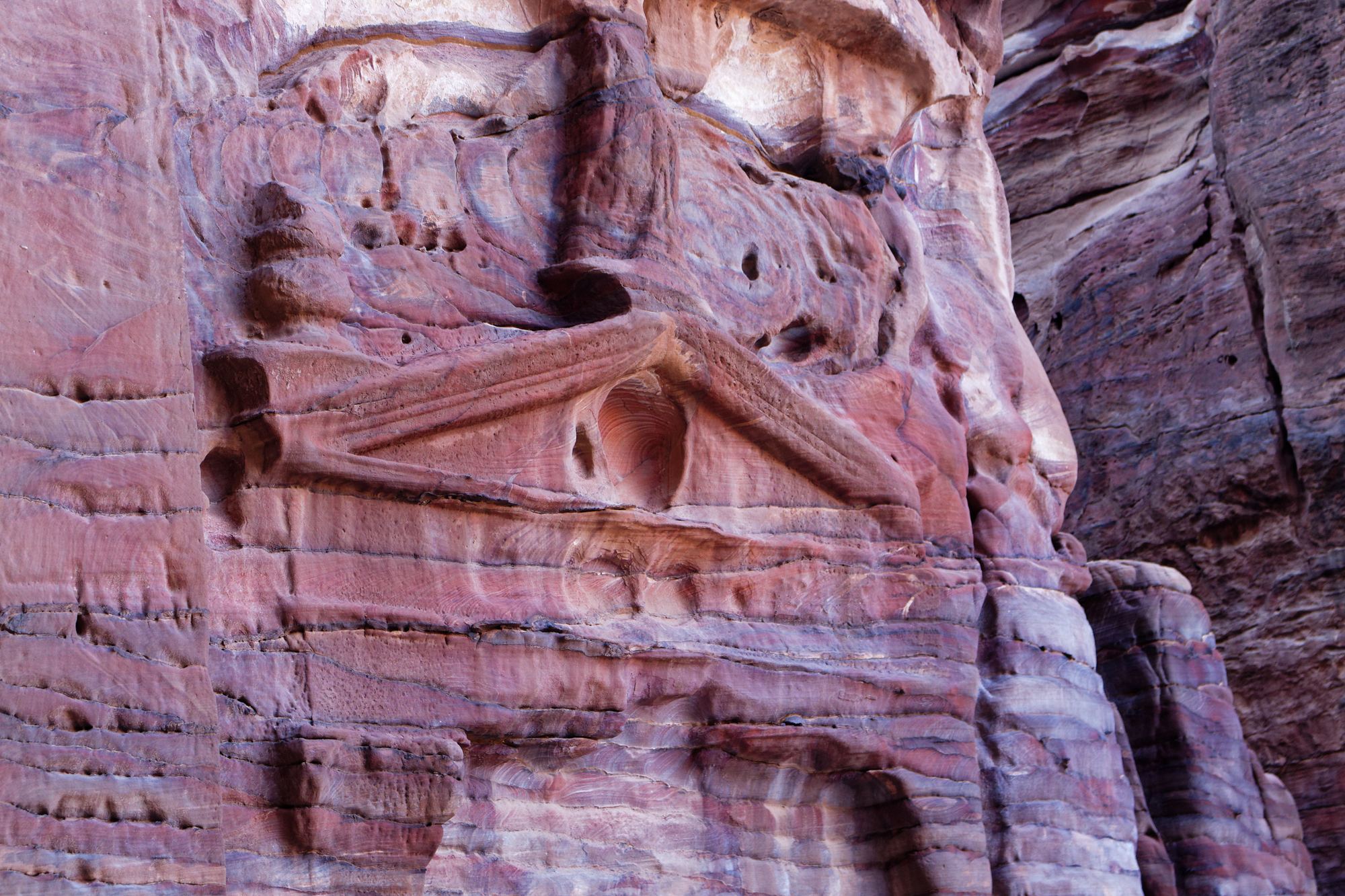
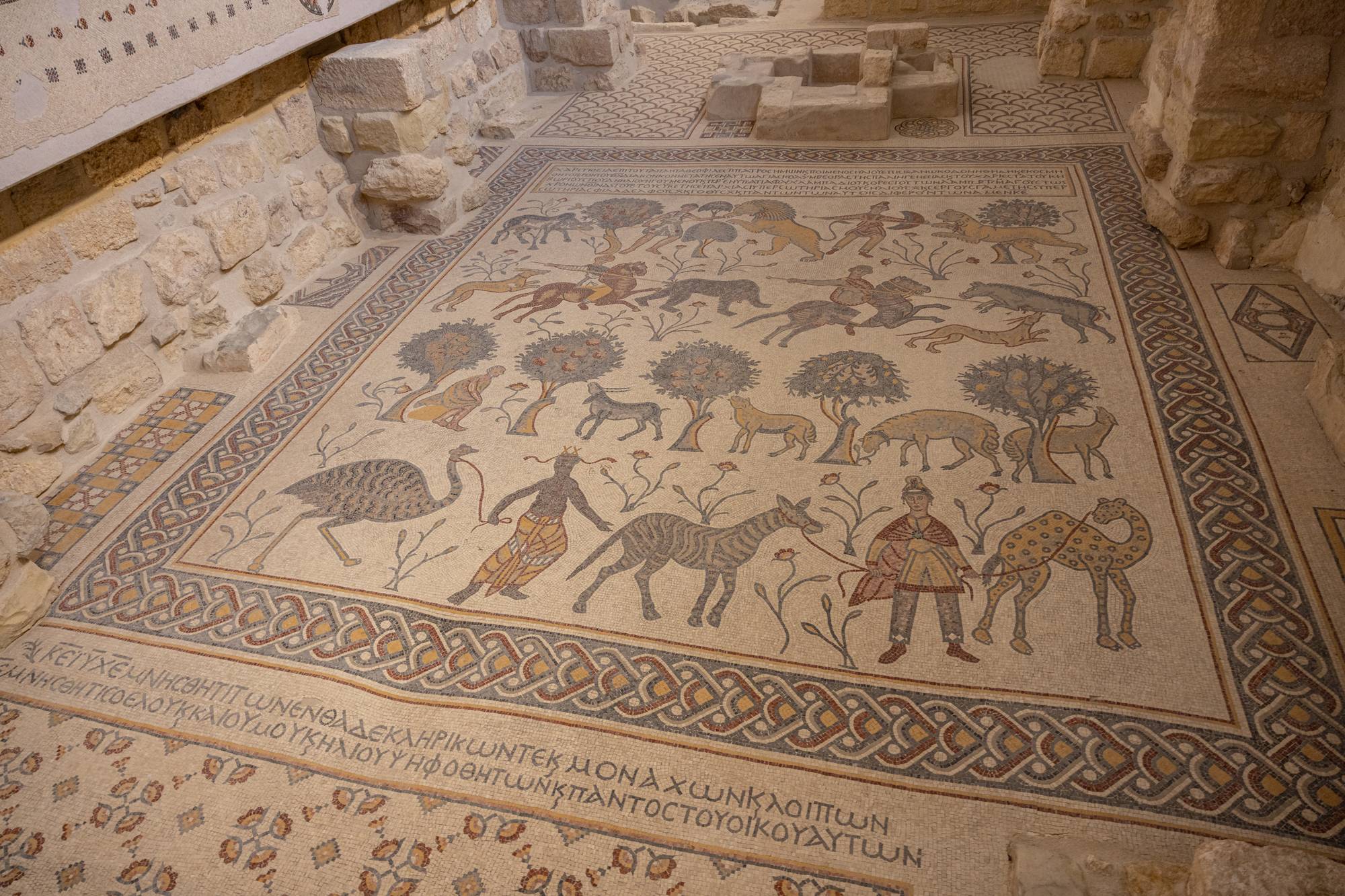
Petra is a unique and superlative relic landscape. Founded by the Nabateans, the site was later occupied by both the Romans and the Byzantines. Best known for its outstanding monuments carved in stone including the great treasury, the site also contains sophisticated water harvesting and management systems which were developed by the Nabateans which allowed their civilization to thrive in such a challenging environment. The site was an important regional crossroads where eastern and western traditions met and is now visited by nearly 1 million people a year. The site is vulnerable to erratic weather and flash floods in particular which pose a threat to both tourists and the iconic monuments and landscape.
See the place









Climate Risk and Resilience in Petra
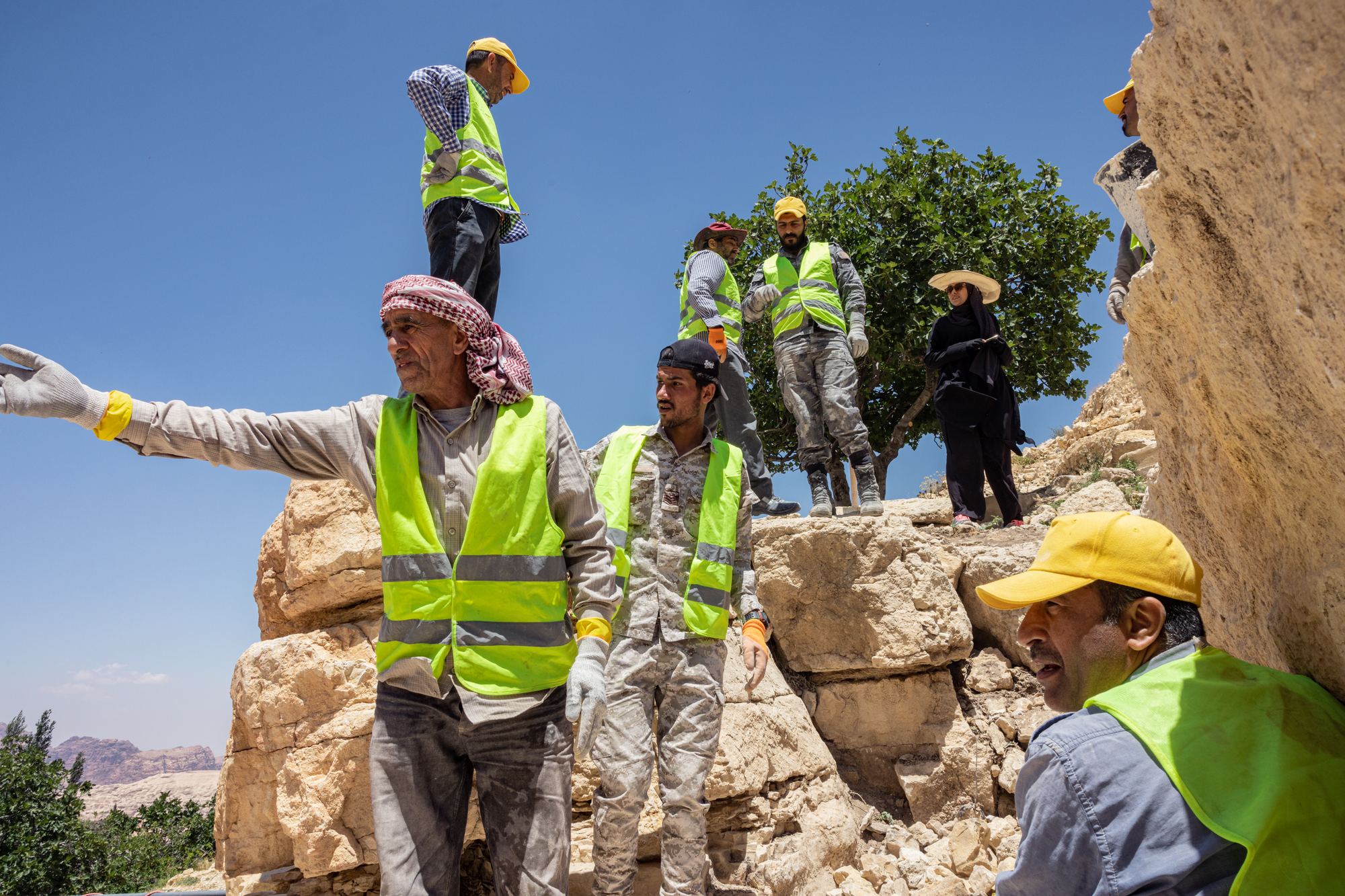
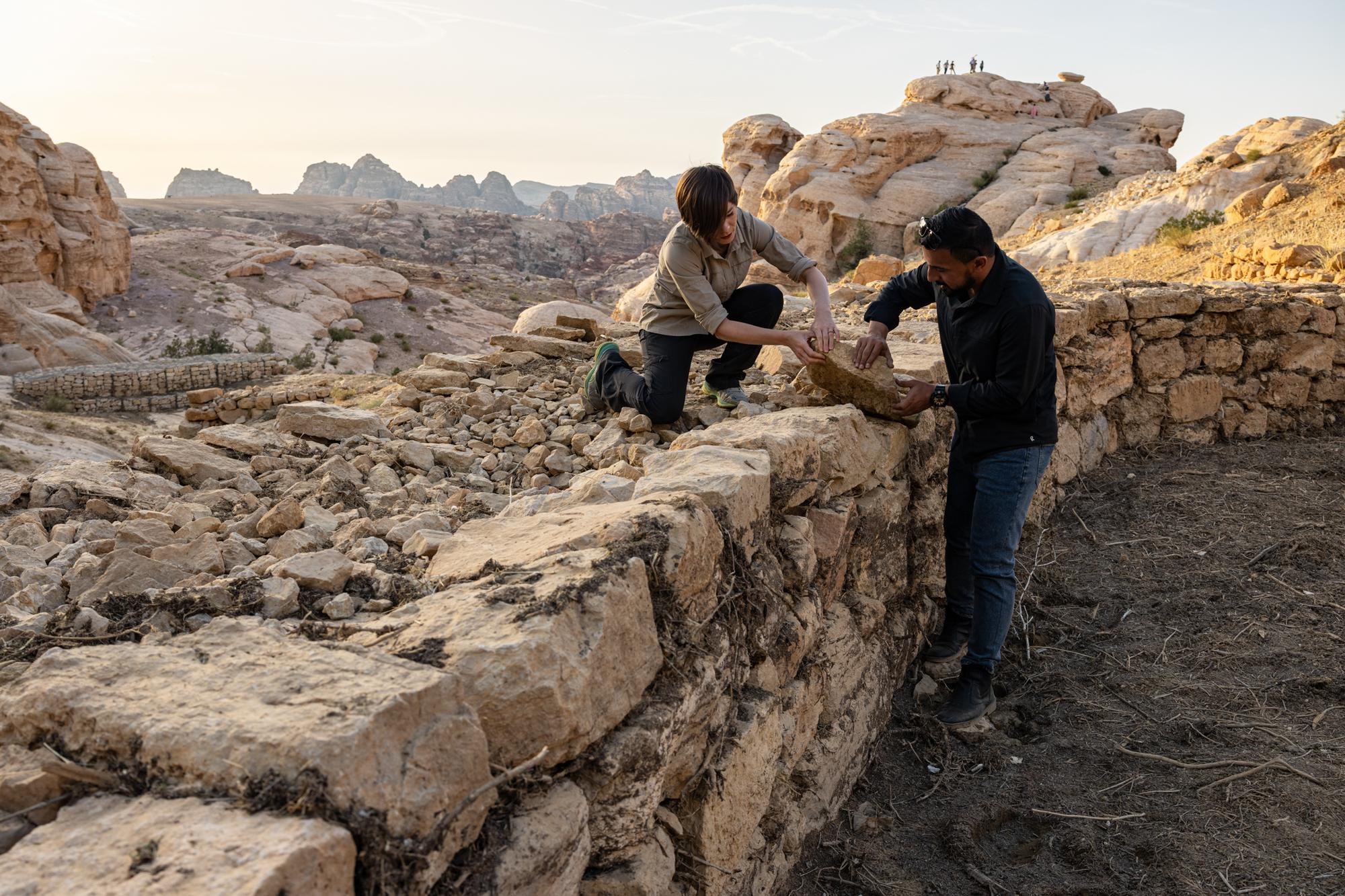
Utilizing a comprehensive approach that combines scientific data with indigenous knowledge and local experience, this report assesses the climate risks facing Petra in relation to the values most important to its varied stakeholders and provides a foundation for implementing effective adaptation solutions. The assessment found that while Petra is projected to experience intensifying flash flood, drought, and sandstorm events, it faces a moderate level of risk, in no small part due to effective adaptation efforts already underway. While these efforts have bolstered the resilience of its heritage values, natural and agricultural values remain more vulnerable, underscoring the need for sustained, coordinated efforts to safeguard Petra’s diverse and interdependent attributes for future generations.


-64%20(2).jpg)
-323.jpg)

%20.png)


.jpg)